
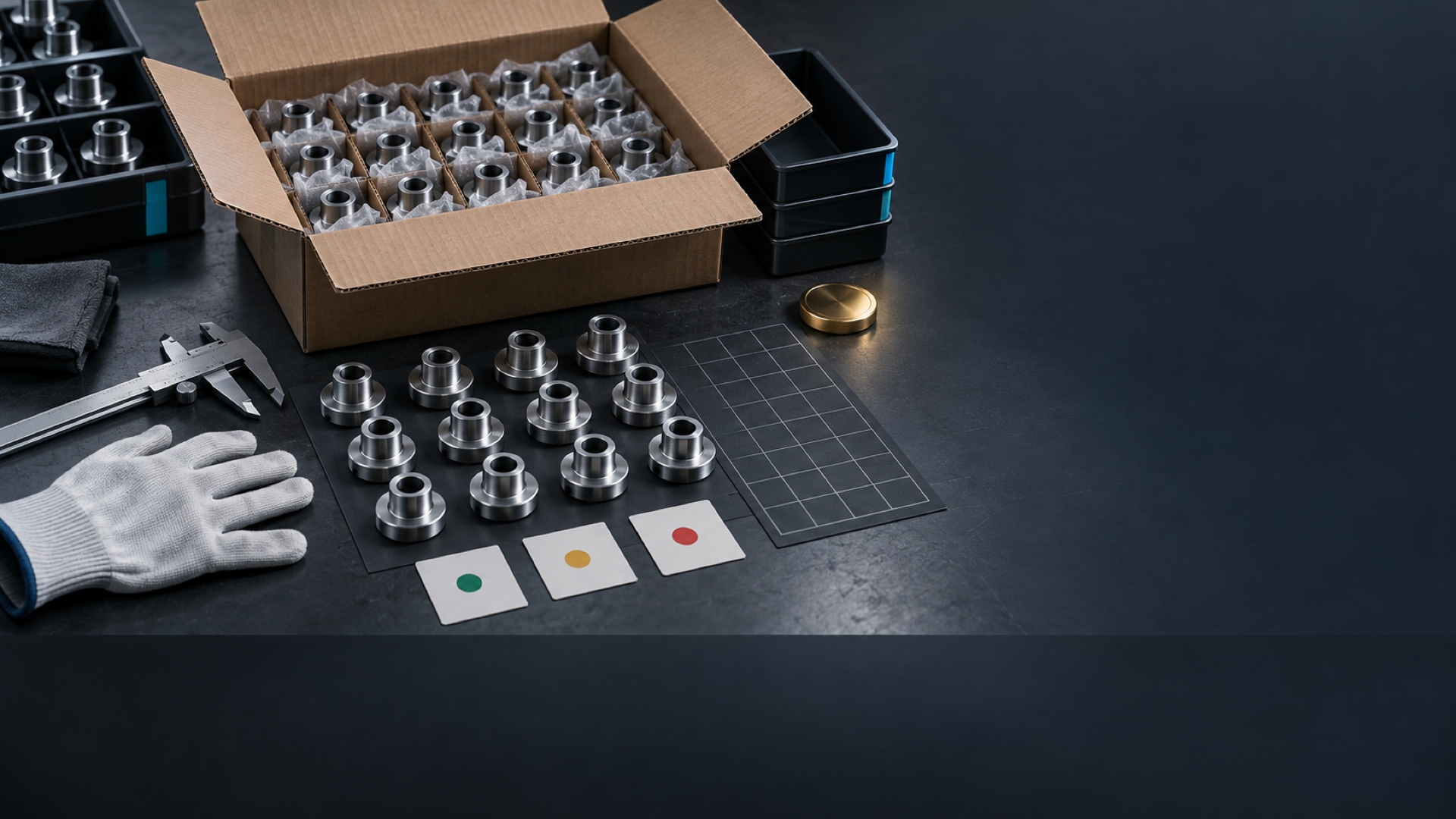
Separate two controls. Product requirements and defect criteria define what counts as conforming. The sampling plan determines how many units are selected and how the sample supports an accept-or-reject decision for the inspection lot.
1. Freeze the inspection lot before choosing an AQL
Record the purchase order, SKU, quantity, production batch, packing status and inspection location. An inspection lot should be sufficiently consistent in product, process and quality conditions. Consider separate lots when models, materials or production batches differ materially.
2. Define the product before defining the sample
Give the inspector the approved specification, drawing, sample revision, packaging and label requirements, functional tests and relevant compliance evidence. A sampling standard does not define colour, dimensions, performance or safety for the buyer and supplier.
3. Make defect classes product-specific
Critical defects commonly involve safety, regulation or unusable product. Major defects affect function, saleability or buyer acceptance. Minor defects depart from the agreement without materially affecting intended use. Add product examples, photographs or limit samples; do not copy classifications from an unrelated order.
4. Name the standard version and sampling plan
ISO 2859-1:2026 is the current third edition for lot-by-lot inspection indexed by acceptance quality limit. The contract or inspection instruction should identify the standard and edition, the sampling plan, normal, tightened or reduced status, inspection level and AQL for each defect class. “Use AQL 2.5” is incomplete.
5. Use lot size and inspection level to obtain the sample
Do not multiply the lot quantity by the AQL. The selected system uses lot size and inspection level to obtain a code letter, then the agreed table provides sample size and acceptance and rejection numbers. This guide does not reproduce copyrighted tables; use an authorised copy of the current standard or the inspection provider's controlled system.
6. Draw units randomly from the full lot
NIST describes acceptance sampling as using a random sample. Selection should span cartons, pallets, positions and production intervals, with carton numbers and access limitations recorded. Units pre-selected by the supplier are not a representative sample of the lot.
7. Count each defect class against its Ac/Re rule
Inspect every sampled unit against the same checklist and classify each defect consistently. Keep critical, major and minor counts separate. If a rejection number is reached, the lot fails under the agreed plan; the inspector should not invent a “conditional pass.” Functional or regulatory tests may also have independent failure rules.
8. Connect the lot decision to correction and release
Acceptance sampling decides whether a lot is acceptable at agreed risks. It does not estimate the lot's exact quality or prove zero defects. A rejected lot needs hold, containment, correction and an agreed reinspection path. A passed lot still requires action on critical findings. Link the decision to the failed inspection corrective-action workflow.
AQL inspection instruction checklist
- PO, SKU, lot quantity, batch identity and packing status.
- Specification, drawing, approved sample, packaging and test revisions.
- Product-specific critical, major and minor defect definitions.
- Standard and edition, inspection level, status and AQL by class.
- Sample size, Ac/Re numbers, random-selection path and access limits.
- Functional-test quantities, equipment, method and separate failure rules.
- Defect photos, sample identity, carton number and final counts.
- Acceptance, rejection, correction, reinspection and release authority.
Frequently asked questions
Does AQL 2.5 mean that 2.5% defective units are allowed?
No. AQL is an indexing parameter used with the lot size, inspection level and selected sampling plan to determine a sample size and acceptance and rejection numbers. It is not a simple guarantee about the lot's defect percentage.
Does a passed sampled inspection prove that the lot has no defects?
No. Acceptance sampling supports a lot disposition decision at agreed risks. It does not inspect every unit or prove zero defects.
Can AQL replace product specifications and compliance testing?
No. Specifications, defect definitions, test methods and applicable compliance requirements define what must be checked. The sampling plan determines how units are selected and how the lot decision is made.
Primary sources and boundaries
- ISO 2859-1:2026 — the current third edition for lot-by-lot inspection indexed by AQL.
- ISO 28590:2017 — the introduction to the ISO 2859 attribute acceptance-sampling series; ISO records it as confirmed current in 2024.
- NIST/SEMATECH: Acceptance Sampling — random sampling, lot disposition and the boundary between sampling and process control.
- NIST: Conformity Assessment Basics — how testing, inspection, certification and supplier declarations connect requirements to evidence.
Sources checked on 10 September 2026. This is a generic, anonymised buyer guide. It does not reproduce sampling tables or provide product engineering, inspection-company, certification, regulatory or legal advice. Use the authorised standard, contract and product-specific risk assessment for actual numbers.